
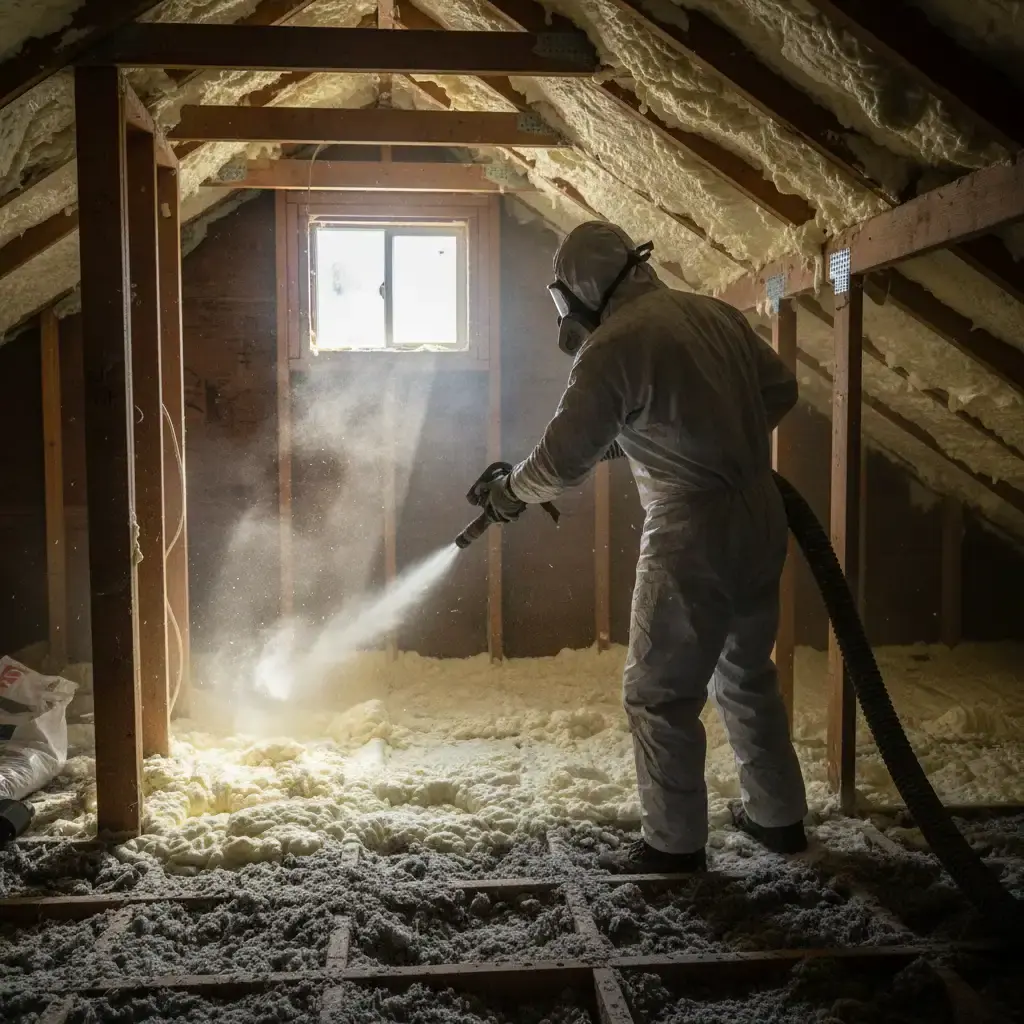
Basement Insulation in Rancho Santa Margarita, CA
Energy-Saving Basement Insulation for Rancho Santa Margarita, CA Homes — Licensed & Insured
Expert basement insulation in Rancho Santa Margarita, CA. Spray foam, rigid board & more. Free estimates. Call Eco Friendly Insulation: (949) 485-2258.
Basement insulation is the process of thermally and moisture-sealing your home’s below-grade spaces to regulate indoor temperatures, prevent energy loss, and guard against the unique environmental pressures found in Southern California’s inland foothill communities. In Rancho Santa Margarita, CA, where summer temperatures in the Santa Ana Canyon corridor can swing from the low 60s overnight to well above 95°F during afternoon peaks, a poorly insulated basement or lower-level space becomes a direct liability on your energy bill and your home’s structural health.
At Eco Friendly Insulation, we specialize in delivering professional basement insulation solutions tailored specifically to the architectural styles, soil conditions, and climate demands of Rancho Santa Margarita and the surrounding South Orange County region. Whether your home sits in the Tijeras Creek Golf Course corridor, near Sendero Marketplace, or tucked into the hillside tracts off Antonio Parkway, our certified installers bring the local expertise and premium materials needed to make your lower level as comfortable and efficient as any room in your home. Call us today at (949) 485-2258.
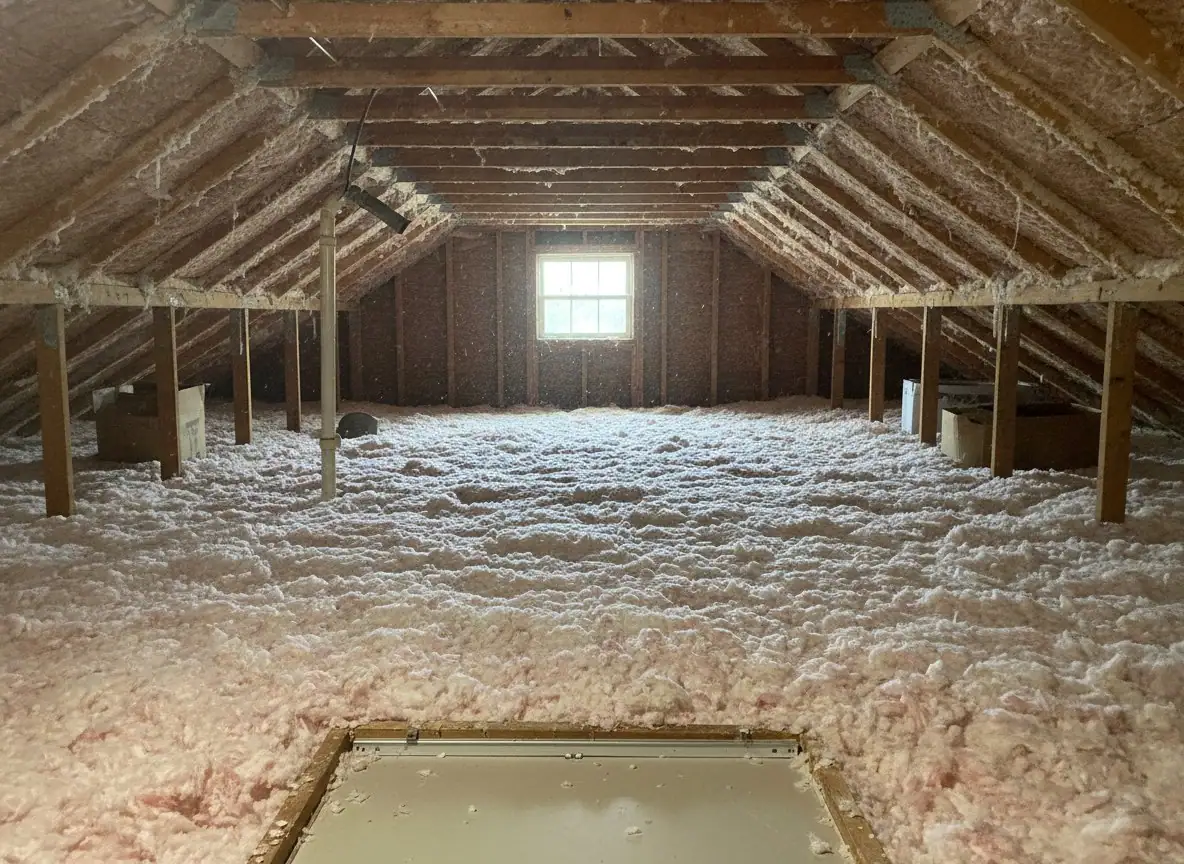
Understanding Basement Insulation
Basement insulation encompasses any system of thermal and vapor barriers applied to basement walls, floors, rim joists, and ceilings designed to slow the transfer of heat, moisture, and sound between the below-grade environment and the living spaces above. Unlike traditional wood-frame above-grade walls, basements interact directly with soil—a medium that carries moisture, transfers ground temperature, and exerts hydraulic pressure in ways that standard wall insulation does not have to contend with.
Historically, basement insulation was largely overlooked in California construction because the mild coastal climate made aggressive thermal envelopes seem unnecessary. Early tract developments in Orange County built throughout the 1970s and 1980s often included minimal or no basement wall insulation whatsoever. As Title 24 energy compliance standards tightened through successive code cycles in 2013, 2016, and again in 2019, California’s building standards began requiring more comprehensive thermal assemblies even in below-grade spaces.
Read moreShow less
Rancho Santa Margarita, incorporated as a city in 2000 but developed heavily throughout the late 1980s and 1990s as a master-planned community, presents a particular challenge: a significant portion of its housing stock was built before modern energy codes mandated proper basement insulation. Homes in communities like Wagon Wheel and Robinson Ranch were engineered for the climate standards of their era, leaving many homeowners today with below-grade spaces that are thermally unprotected by modern benchmarks.
Proper basement insulation works on three principles: controlling conductive heat transfer through the wall assembly, managing vapor diffusion to prevent condensation within the wall cavity, and air-sealing to eliminate convective loops that bypass any insulating layer. When all three are addressed simultaneously, a basement transforms from an energy liability into an asset—one that buffers your living space from both winter cold radiating through the soil and the intense summer heat that builds in Orange County’s inland valleys.
The materials most commonly used include closed-cell spray polyurethane foam, rigid foam board (EPS and XPS), fiberglass batt insulation with vapor retarders, and blown-in cellulose. Each has specific performance profiles suited to different basement configurations, which our team evaluates during every initial assessment. Learn more about our spray foam insulation services
Why Basement Insulation Is Needed in Rancho Santa Margarita, CA
Rancho Santa Margarita occupies a transitional climate zone at the inland edge of the South Orange County foothills, classified under California’s Climate Zone 8. This placement creates thermal stresses that are measurably more severe than those experienced by coastal communities just ten to fifteen miles west. According to data from the nearby El Toro weather station, Rancho Santa Margarita regularly records summer highs 8–12°F warmer than Laguna Beach, and overnight lows in January dip to the upper 30s in the canyon-adjacent neighborhoods off Plano Trabuco Road—cold enough to drive meaningful heat loss through any uninsulated concrete basement wall.
The Santa Ana wind events that sweep through the Trabuco and Santiago Canyon corridors each fall and winter compound this problem significantly. During the December 2017 Lilac and Thomas Fire wind events, and again during the October 2019 Saddleridge Fire, sustained Santa Ana winds in excess of 60 mph created dramatic negative pressure on the windward sides of homes throughout Rancho Santa Margarita. Uninsulated basement rim joists and wall penetrations allowed infiltration of hot, dry, particulate-laden air directly into lower-level living spaces—an event that underscored the importance of complete air-sealing as part of any basement insulation system.
Read moreShow less
Soil composition in the RSM area also plays a direct role in basement performance. The area sits atop expansive clayey soils common to the Trabuco Series soil classification, which is prevalent throughout the eastern Santa Ana Mountains foothills. Expansive clay soils retain moisture seasonally and exert hydrostatic pressure against foundation walls, especially following the kind of atmospheric river precipitation events Orange County experienced in January and February 2023, when rainfall totals in the Rancho Santa Margarita area exceeded 11 inches in a six-week period. Without proper insulation and vapor management on interior basement walls, that soil moisture migrates through porous concrete and concrete block, promoting mold growth, efflorescence, and long-term degradation of finishing materials.
The master-planned neighborhoods of RSM also feature a high density of two-story and split-level homes built on sloped lots throughout Dove Canyon, Melinda Heights, and the estates near the Rancho Santa Margarita Lake. These hillside configurations often result in partially exposed basement or lower-level walls on the upslope side—areas subject to direct solar radiation in summer and significant wind-driven moisture exposure in winter. These “daylight basement” configurations require a hybrid insulation strategy that accounts for both below-grade and above-grade thermal dynamics on the same wall plane.
Energy cost data from Southern California Edison’s residential rate schedules, which apply to all RSM homeowners, show that homes with uninsulated or under-insulated basements can use 20–35% more cooling energy during the June–September peak demand window, when time-of-use rates are at their highest. Properly insulating and air-sealing a basement in Rancho Santa Margarita is not simply a comfort upgrade—it is a measurable financial decision. Explore our attic insulation services to complete your home’s thermal envelope
Free, no-obligation estimates
Talk to Eco Friendly Insulation
Tell us what you need and we’ll take it from there.
Signs You Need Basement Insulation in Rancho Santa Margarita
Temperature and Comfort Indicators
- Basement or lower-level rooms feel noticeably colder than the rest of the house during RSM’s January–February cold snaps, when overnight lows drop below 40°F
- Uneven floor temperatures on the first level above an uninsulated basement slab, particularly in tile or hardwood flooring areas
- HVAC system running excessively during peak summer heat events above 95°F without achieving set-point temperatures in lower levels
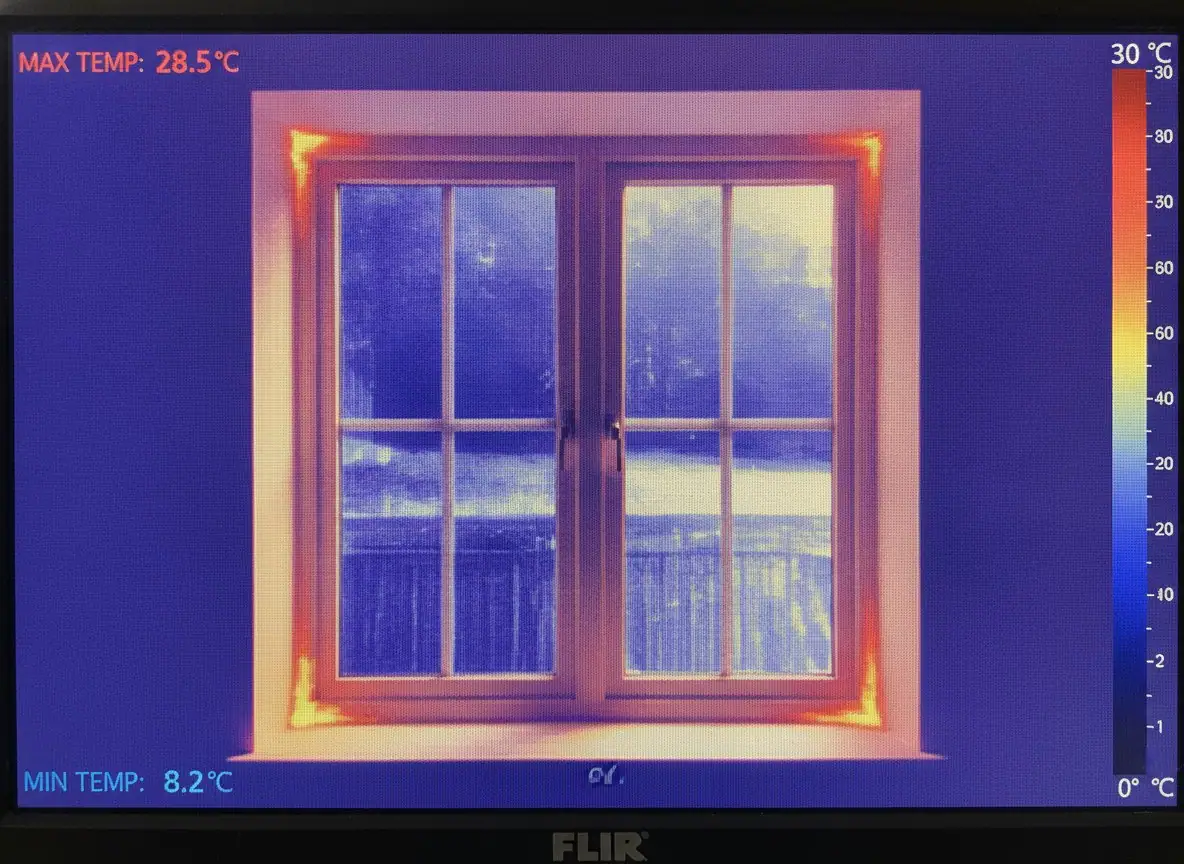
- Drafts near basement windows, rim joists, or utility penetrations, especially during Santa Ana wind events
Moisture and Structural Warning Signs
- Visible efflorescence (white mineral deposits) on basement walls, indicating water migration through the concrete
- Musty or earthy odors following winter rainfall—a sign of moisture accumulation common after atmospheric river events
- Peeling paint or bubbling drywall on lower-level walls
- Rust staining on exposed metal components such as beam hangers or HVAC equipment supports
- Visible mold or dark staining at wall-floor junctions or along rim joist areas
Energy and Cost Urgency Signals
- Monthly SCE bills that spike more than 30% from spring to summer despite consistent thermostat settings
- Your home was built before 1993 in RSM’s early development phases and has never had basement insulation inspected or updated
Basement Insulation Methods and Approaches
Closed-Cell Spray Foam Insulation
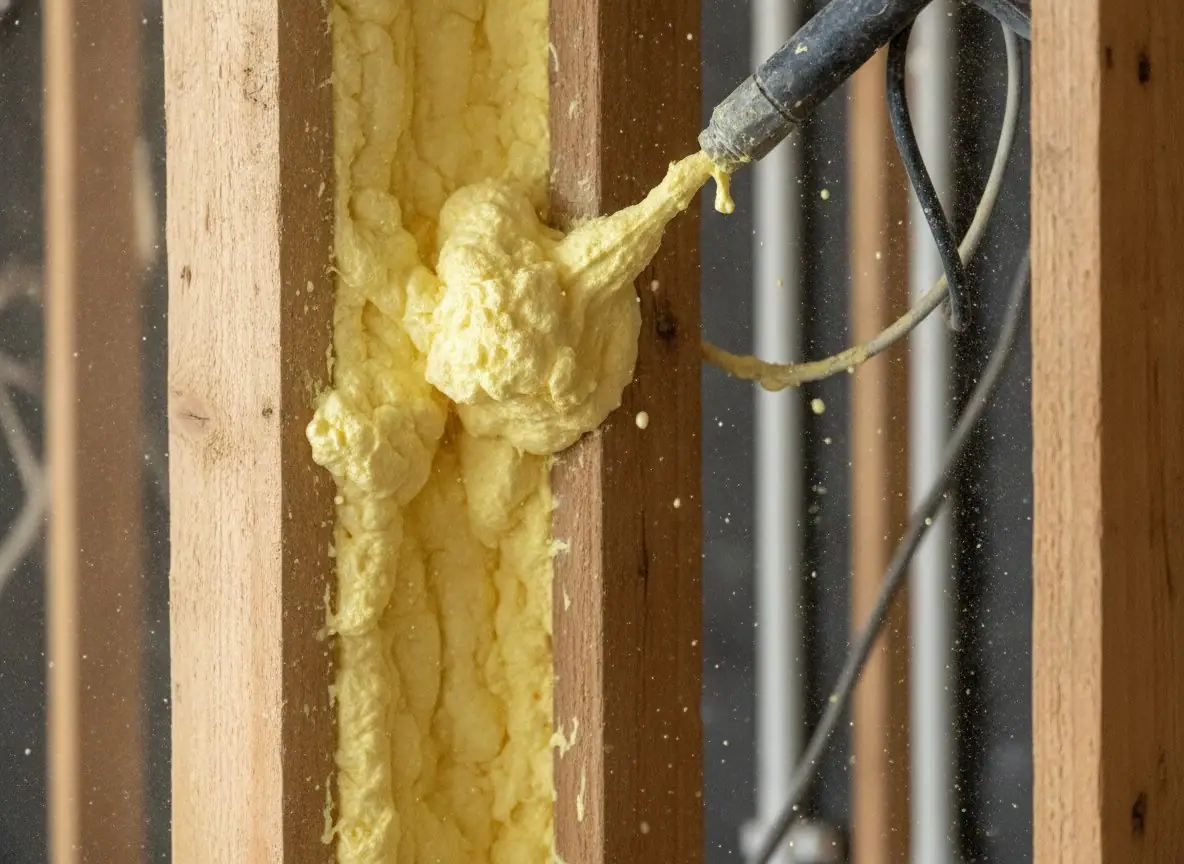
Closed-cell spray polyurethane foam (ccSPF) is our most comprehensive basement wall solution. Applied at 2 inches, it achieves R-13; at 3 inches, R-19—meeting or exceeding Title 24 requirements for Climate Zone 8. Its near-zero vapor permeance makes it ideal for RSM basements subject to seasonal hydrostatic pressure from the Trabuco Series clay soils following winter rains. It also provides a structural bond to concrete walls that resists the minor wall movement associated with expansive soil cycles. Explore our spray foam insulation solutions
Rigid Foam Board (XPS or EPS)
Extruded or expanded polystyrene board is a cost-effective option for flat concrete basement walls in RSM’s more conventionally graded lots. Boards are adhesively or mechanically fastened to the wall and seams are sealed with compatible tape. XPS at 2 inches provides approximately R-10 and includes a moderate vapor retarder function.
Fiberglass Batt with Framed Wall Assembly
For daylight basement sections above grade—common in RSM’s hillside home configurations—a framed stud wall with kraft-faced fiberglass batts provides an economical R-15 to R-21 assembly. This method is paired with a continuous air barrier and is best suited for the exposed wood-frame portions of split-level lower levels.
Blown-In Insulation for Rim Joists and Cavities
Dense-pack cellulose or fiberglass blown-in insulation is used to fill irregular rim joist bays or existing framed cavities where batt installation would leave voids. This method is particularly effective in RSM’s 1980s and early 1990s tract homes where rim joist geometry is inconsistent. Learn about our blow-in insulation services
Crawl Space Encapsulation
For RSM homes with partial crawl spaces adjacent to basement areas, complete encapsulation with reinforced polyethylene vapor barriers combined with rim joist spray foam creates a unified conditioned envelope that dramatically reduces moisture-related issues. Discover our crawl space encapsulation services
Basement Insulation Cost in Rancho Santa Margarita, CA
Understanding the cost of basement insulation in Rancho Santa Margarita helps you plan your project and evaluate proposals accurately. Pricing varies based on the size of the space, the insulation method selected, existing conditions, and any preparatory work required.
Typical Price Ranges
- Rim Joist Air Sealing and Spray Foam Only: $500–$1,200 for a typical RSM single-family home, addressing the most impactful infiltration point first
- Closed-Cell Spray Foam on Basement Walls (full basement, 800–1,200 sq ft of wall area): $3,500–$7,000, depending on thickness specified and substrate preparation required
- Rigid Foam Board Installation: $1,800–$4,000 for a comparable basement wall area, including adhesive, mechanical fasteners, and seam sealing
- Framed Wall with Fiberglass Batt (daylight or split-level lower level): $2,500–$5,500 including framing, insulation, and vapor retarder
- Full Basement Insulation System (combined methods, air sealing, and vapor management): $5,000–$12,000 for comprehensive treatment of a typical 1,000–1,500 sq ft RSM basement footprint
- Insulation Removal and Replacement: Add $1.50–$3.00 per square foot for removal of damaged or contaminated existing material Learn about our insulation removal and replacement services
Read moreShow less
Rancho Santa Margarita Pricing Factors
Material costs in Orange County reflect regional supply chain pricing approximately 10–18% above national averages. Hillside lot access restrictions in communities like Dove Canyon or the estates near Rancho Santa Margarita Lake can add mobilization costs. Projects requiring mold remediation prior to installation—not uncommon following RSM’s January–February 2023 rainfall events—are priced separately. Call us at (949) 485-2258 for a free, no-obligation on-site estimate.
Neighborhoods We Serve in Rancho Santa Margarita
Dove Canyon
Dove Canyon’s gated community features estate-scale homes built primarily between 1989 and 1998 on sloped canyon lots. Many lower levels in this community function as daylight basements with partial below-grade and partial above-grade wall exposure, requiring the hybrid insulation strategies our team specializes in. HOA aesthetic requirements in Dove Canyon also influence our exterior approach on any exposed wall sections.
Melinda Heights
The Melinda Heights neighborhood includes large two-story homes on graded pads built throughout the 1990s. Homes here commonly have concrete block foundation walls in below-grade sections that benefit significantly from interior spray foam application, particularly following the moisture stress of Orange County’s more severe winter rain seasons.
Robinson Ranch
Robinson Ranch properties near the Thomas F. Riley Wilderness Park feature some of RSM’s older housing stock and are frequently subject to the strongest Santa Ana wind exposure in the community due to their eastern canyon orientation. Rim joist sealing and comprehensive basement air-sealing are especially high priorities for homeowners in this neighborhood.
Wagon Wheel and Las Flores Adjacent
Homes in the western RSM communities nearest the Las Flores and Foothill Ranch areas include a mix of flat-lot and gently sloped configurations built between the late 1980s and early 2000s. These homes represent ideal candidates for rigid foam board systems on conventional poured concrete basement walls. View all our insulation installation services
Basement Insulation Maintenance Tips for Rancho Santa Margarita Homeowners
- Inspect after major rainfall events: Following Orange County atmospheric river events—like those in January and February 2023—walk your basement perimeter looking for new efflorescence, seepage, or moisture odor that could indicate insulation compromise.
- Check rim joist areas annually: In early fall before Santa Ana wind season begins (typically October–December), inspect rim joist foam or sealant for cracks or separation from the substrate.
- Maintain exterior grade and drainage: Ensure soil grade slopes away from your foundation at a minimum of 6 inches over 10 feet to reduce hydrostatic pressure against insulated basement walls—critical given RSM’s clay-heavy soils.
- Monitor indoor humidity in summer: Use a hygrometer in your basement during July and August. Relative humidity consistently above 60% in the basement may indicate air infiltration pathways through aging insulation seams.
- Keep basement window wells clear: Remove leaf and debris accumulation from window wells after fall wind events to prevent water pooling against the foundation wall.
- Schedule a professional inspection every 5–7 years: Insulation materials degrade, and building settlement on RSM’s expansive soils can open new air and moisture pathways over time.
- Ensure HVAC condensate lines are properly routed: Condensate drainage near insulated basement walls is a common source of hidden moisture intrusion in RSM’s split-level homes.
Why Choose Eco Friendly Insulation for Your Rancho Santa Margarita Basement
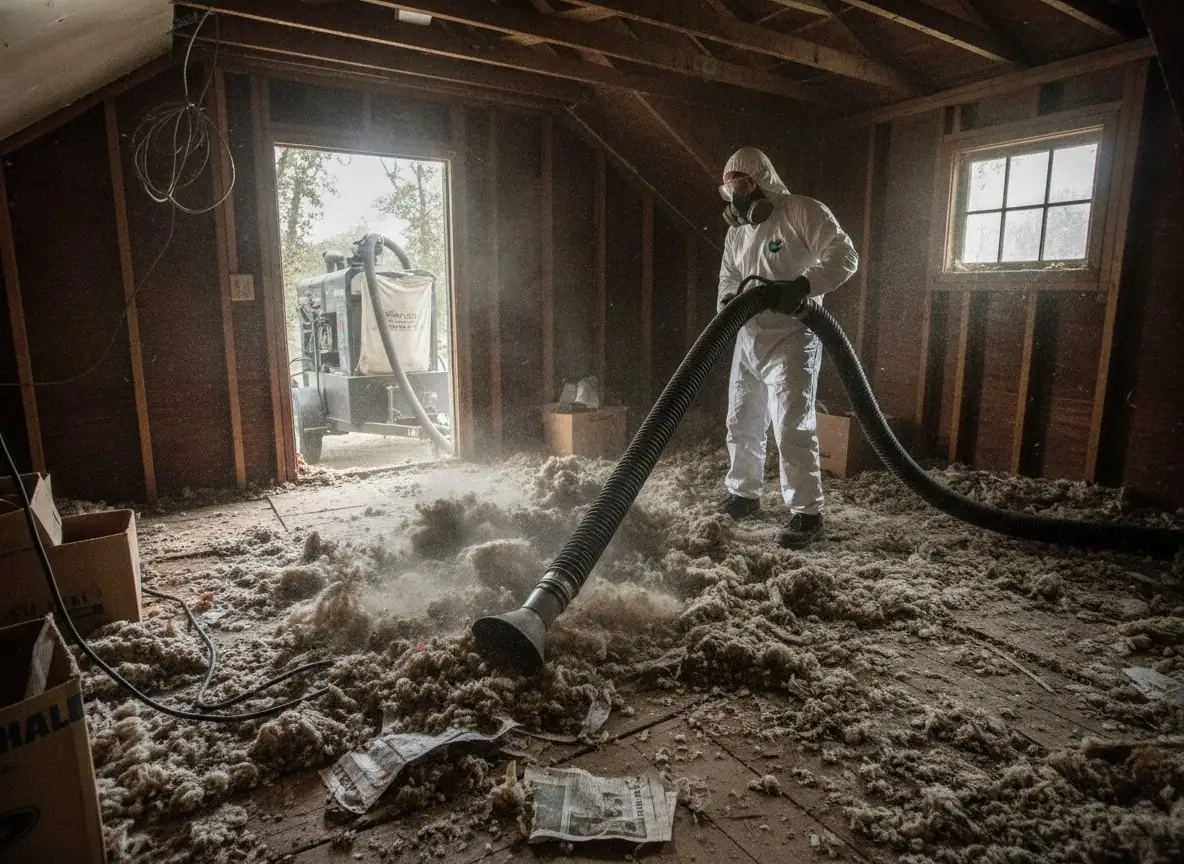
Eco Friendly Insulation is a locally focused insulation contractor serving Rancho Santa Margarita and all of South Orange County. Our team has direct, hands-on experience with the specific home construction types, soil conditions, and climate stressors that define the RSM housing market—from the hillside estate configurations in Dove Canyon to the flat-lot tract homes in Wagon Wheel.
We are committed to using insulation products with lower environmental impact profiles, including water-blown spray foams, high-recycled-content cellulose, and formaldehyde-free fiberglass batts, reflecting our core commitment to sustainable building practices that align with California’s environmental goals.
Our process is transparent, our pricing is itemized, and every project is completed by trained installers who understand the nuances of California Title 24 compliance. We serve all of South Orange County, including Trabuco Canyon, Ladera Ranch, Mission Viejo, Coto de Caza, Aliso Viejo, Lake Forest, Laguna Hills, Laguna Niguel, Dana Point, San Juan Capistrano, San Clemente, Irvine, Tustin, Laguna Beach, and beyond.
To schedule your free basement insulation assessment in Rancho Santa Margarita, call us at (949) 485-2258 today. Contact our team to schedule your free estimate
FAQ
Frequently Asked Questions: Basement Insulation in Rancho Santa Margarita, CA
How much does basement insulation cost in Rancho Santa Margarita?
Costs range from approximately $500 for targeted rim joist sealing to $12,000 or more for a comprehensive basement insulation system on a larger RSM home. The most common full-basement projects in Rancho Santa Margarita’s typical 1,800–2,800 sq ft single-family homes run between $4,000 and $8,000 using a combined spray foam and rigid board approach. We provide free, itemized on-site estimates so you know exactly what your project entails before committing.
How long does basement insulation installation take?
Most residential basement insulation projects in Rancho Santa Margarita are completed in one to two days. Spray foam applications require a cure period of approximately 24 hours before the space can be used or covered, which can extend practical completion timelines by one additional day.
Do I need a permit for basement insulation in Rancho Santa Margarita?
The City of Rancho Santa Margarita building department generally requires permits for insulation work when it is associated with new construction or significant remodels. Retrofit insulation installations in existing spaces may or may not require permits depending on scope. Our team reviews permit requirements during the assessment phase and can guide you through the process for projects that require City approval.
Is basement insulation worth it in Southern California’s mild climate?
Yes—particularly in Rancho Santa Margarita, which sits in Climate Zone 8 and experiences inland temperatures significantly warmer than the coast. RSM homeowners report 20–35% reductions in cooling costs after comprehensive basement and lower-level insulation upgrades. Given Southern California Edison’s rising time-of-use rates during summer peak hours, the payback period for a well-executed basement insulation project in RSM is typically 4–8 years.
What is the best type of insulation for RSM basement walls?
Closed-cell spray foam is our most commonly recommended solution for RSM basement walls because it simultaneously addresses thermal resistance, vapor control, and air-sealing in a single application—critical given the Trabuco Series clay soil moisture pressures and Santa Ana wind infiltration patterns in this area. For daylight basement wall sections, a framed wall with batt insulation may be more appropriate and cost-effective.
How do I know if my RSM basement has existing insulation?
Many homes in Rancho Santa Margarita built before 1995 have little to no insulation on basement or lower-level walls. Signs of uninsulated walls include bare concrete or concrete block visible on the interior surface, significant temperature differential between the basement and living spaces, and condensation on wall surfaces during humid periods. Our free assessment will document existing conditions definitively.
Does basement insulation help with moisture problems after heavy rain?
Insulation alone does not solve active water intrusion—waterproofing or drainage improvements must address that first. However, proper interior insulation systems with integrated vapor retarders significantly reduce the moisture migration that drives mold growth and material damage following the kind of extended rainfall RSM experienced during the January–February 2023 atmospheric river events. We assess moisture conditions before recommending any insulation system.
Do you serve areas near Rancho Santa Margarita?
Yes. We serve all of South Orange County including Trabuco Canyon, Ladera Ranch, Coto de Caza, Mission Viejo, Aliso Viejo, Laguna Niguel, Lake Forest, Laguna Hills, Dana Point, San Juan Capistrano, San Clemente, Irvine, Tustin, Laguna Beach, Laguna Woods, South Laguna, and Foothill Ranch. View our complete service area
Get Your Free Basement Insulation Estimate in Rancho Santa Margarita Today
If your Rancho Santa Margarita home’s basement or lower level is costing you in energy bills, comfort, or moisture headaches, the solution is a phone call away. Eco Friendly Insulation provides free, no-obligation on-site assessments throughout RSM and all of South Orange County. Our team will evaluate your specific space, explain your best options in plain language, and provide a written, itemized proposal—no pressure, no guesswork.
Don’t let another SCE billing cycle pass with an underperforming basement. Call Eco Friendly Insulation now at (949) 485-2258 to schedule your free assessment, or visit our contact page to request an appointment online. We serve Rancho Santa Margarita and surrounding communities throughout South Orange County. Schedule your free basement insulation estimate online
Get in touch
Find insulation help near you
Request a free estimate online or give us a call — our team will follow up quickly.
- Call us(949) 485-2258
- Visit30242 Esperanza, Rancho Santa Margarita, CA 92688
- HoursMon-Sun 07:00-19:00